DEI as a Strategic Capability in the Future of Work (Insights from TAIMI at HR Week Warsaw)
Technological change is rapidly reshaping the world of work. Conversations about future skills often focus on technical capabilities such as AI literacy, data skills, and digital fluency. While these skills are essential, they alone are not enough to ensure sustainable transformation in organizations.
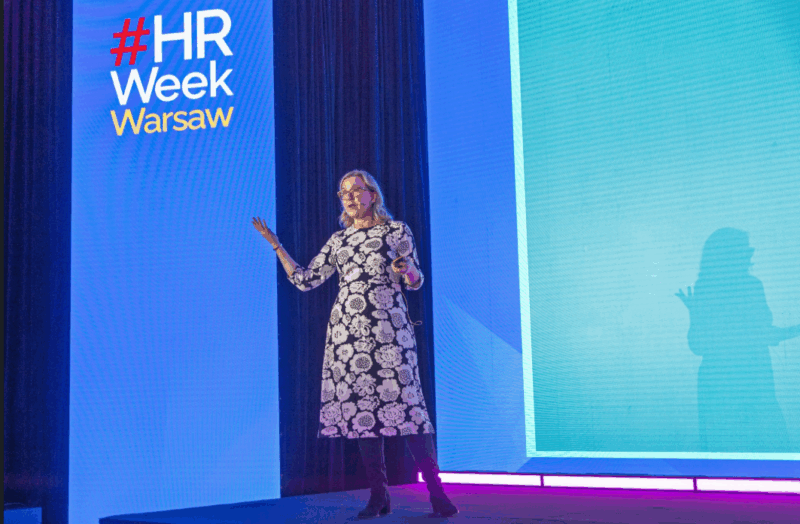
At HR Week Warsaw (March 3-4, 2026), Hertta Vuorenmaa, researcher in the TAIMI project’s Work Package 4 (WP4), addressed this topic in her keynote on the future of work and the role of diversity, equity, and inclusion (DEI) as a strategic organizational capability.
Vuorenmaa highlighted that while the future of work will undoubtedly be built on technology, its success will depend on human capability. Rapid technological acceleration, demographic changes, and geopolitical instability are transforming labour markets, yet human psychology and the conditions required for engagement, learning, and innovation remain constant. Employees must feel valued, safe, and able to contribute in order for skills and technological potential to translate into meaningful impact.
Within the Strategic Research Council of Finland–funded TAIMI project (Technological Transformation, AI and Migrant Skills in the Finnish Labour Market), researchers examine how DEI can be developed and scaled not merely as an initiative but as a professional skill and organizational capability. This perspective moves beyond viewing DEI as a value statement or compliance requirement, positioning it instead as a learnable competence embedded in organizational systems and practices.
Developing DEI capability supports several key organizational outcomes, including:
- fair and evidence-based recruitment practices
- inclusive leadership and management approaches
- effective multicultural collaboration
- stronger human–technology interaction
In ageing labour markets facing increasing skill shortages, making full use of available talent is critical. Internationally trained professionals, in particular, often possess valuable expertise that remains underutilised in many labour markets. Strengthening DEI capabilities can help organisations better recognise and leverage this talent.
Vuorenmaa will continue this conversation at HR Week Lisbon in April, where she will further discuss how organisations can develop inclusive capabilities that allow both people and technology to thrive in the future of work.