
Hertta Vuorenmaa interviewed by YLE on the future of work and artificial intelligence
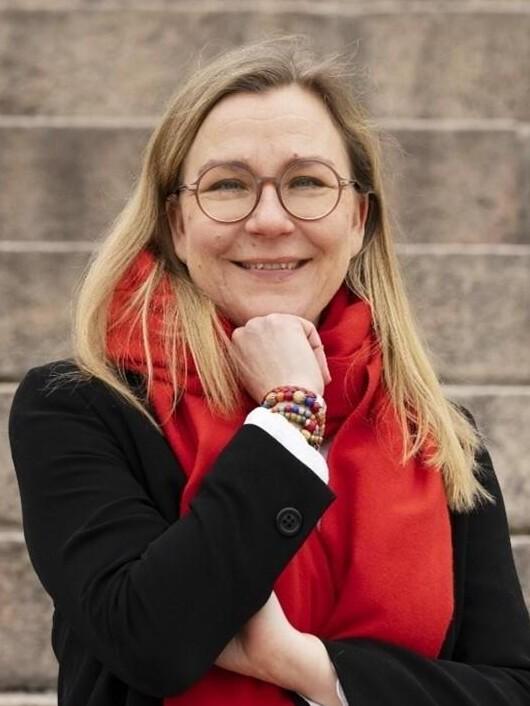
Working life researcher Hertta Vuorenmaa was recently interviewed by YLE about the impact of artificial intelligence on the future of work (9.3.2026). The interview was published on YLE’s website and featured in the evening TV news.
In the interview, Vuorenmaa discusses how artificial intelligence is likely to transform work and the ways in which work is organized. Many researchers describe the current technological development as part of a broader shift sometimes referred to as the fourth industrial revolution.
According to Vuorenmaa, technological change has always reshaped work. Historical examples include the industrialization of production, automation in manufacturing, and the introduction of digital tools in office work. Artificial intelligence continues this long-term development, although the pace of change may be faster and its effects broader across different types of work.
“Technology removes certain tasks, and new ones take their place. People adapt, acquire new skills, and organize work in new ways,” Vuorenmaa explains in the interview.
While it is still too early to determine exactly how jobs will evolve, many experts agree that work will continue to change rather than disappear entirely. As in earlier technological transitions, some tasks may become automated while new roles and responsibilities emerge.
Vuorenmaa emphasizes the importance of developing skills that support working alongside new technologies. These include analytical and critical thinking, continuous learning, digital literacy, collaboration, and communication.
At the same time, she highlights that the direction of technological change is ultimately shaped by human decisions and societal choices.
“The technology itself does nothing. We as humans decide how it is used and what kind of future we build with it,” Vuorenmaa notes.
The interview also highlights ongoing research on the future of working life conducted in collaboration between Aalto University and Hanken School of Economics.